
Home renovation often feels chaotic — endless choices, delays, and uncertainty. Gamification provides a structured framework where every task becomes a clear, measurable goal. Just like in a strategy game, objectives are divided into levels: planning, demolition, reconstruction, and finishing. Each completed stage gives a sense of progress and reward, replacing stress with motivation. By visualizing renovation as a series of achievements, homeowners stay engaged and focused until completion.
Visual Feedback and Progress Tracking
Games keep players hooked through constant feedback, and renovation projects can use the same immersive logic. When homeowners and builders visualize progress through interactive dashboards or 3D environments, the experience begins to resemble a construction-themed simulation game — every wall removed or repainted feels like completing a new level. These visual systems transform hard labor into a form of engagement, where progress is not only measured but experienced.
As one foreman from Warsaw, Andrzej Kowalski, likes to say: „Podczas planowania remontu potrzebna jest ta sama motywacja, co w grze — poziomy, nagrody i emocje. Właśnie dlatego lubię patrzeć, jak projekt rozwija się krok po kroku, trochę jak w kasyno slottica, gdzie każdy ruch może przynieść satysfakcję i wynik.”
For teams and contractors, this approach creates clarity and shared focus. Progress bars show completion percentages, while visual dashboards highlight real-time updates. 3D models reveal the transformation of space before the first wall is even touched. These small visual cues bring satisfaction, reduce decision fatigue, and encourage collaboration — turning the renovation process into an interactive experience that feels as engaging as a well-designed game.
Reward Systems in Home Projects
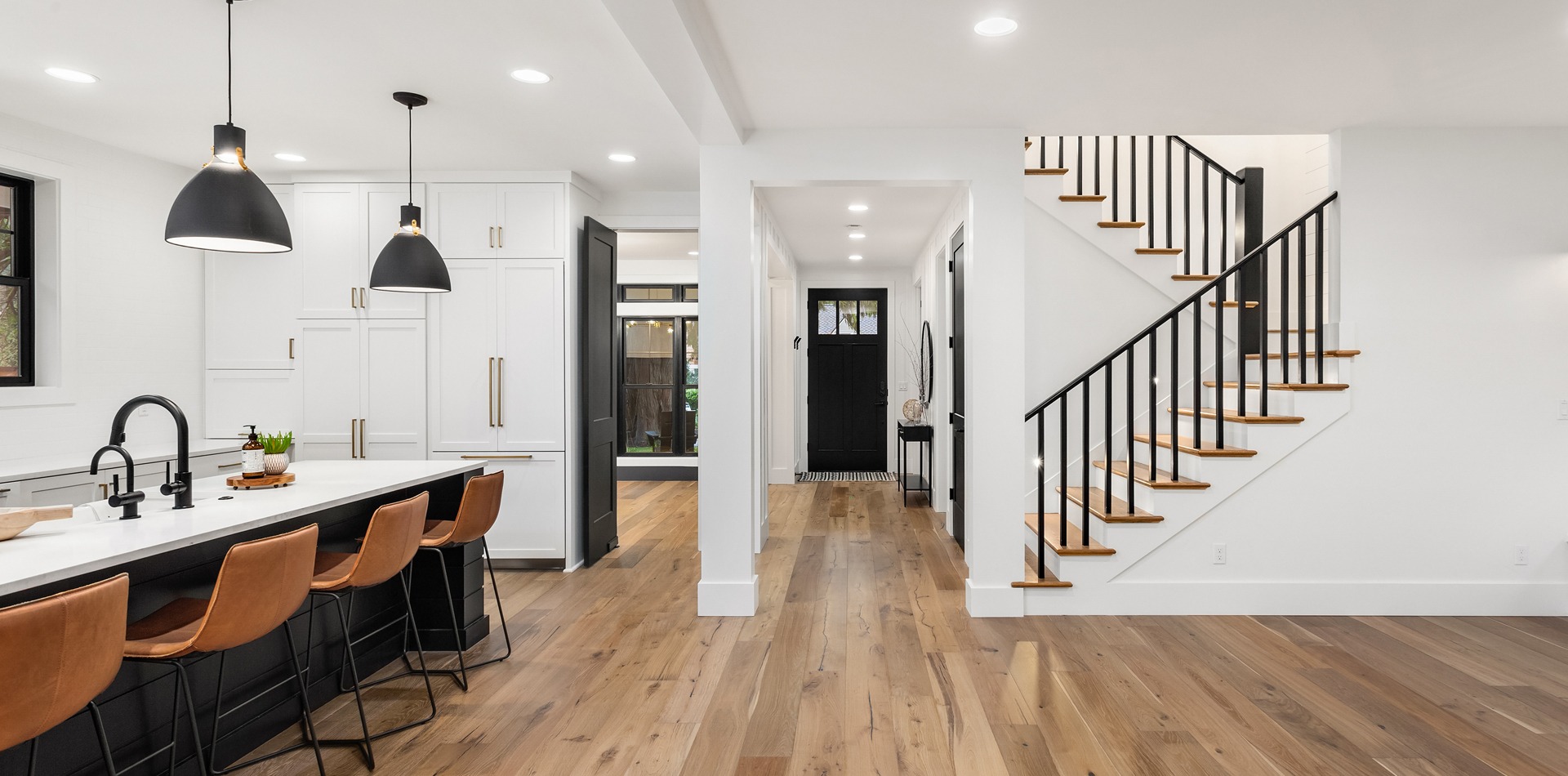
Rewards are not limited to points or virtual badges. In renovation, they can be tangible milestones — a finished kitchen wall, a newly installed staircase, or a completed paint job. Setting small rewards after each phase encourages persistence and prevents burnout. The key idea is to associate progress with positive feedback rather than exhaustion, reinforcing the sense of accomplishment after each “level” of the project.
Decision-Making Through Simulation
Gamified tools allow users to experiment with layouts, materials, and lighting without physical consequences. Before removing a wall or changing a floor plan, homeowners can test several virtual options and instantly see how it affects space and design balance. Simulation platforms translate complex architectural data into intuitive visuals — much like sandbox or building games where creativity meets structure. This makes collaboration between clients and builders faster and more transparent.
Core Gamification Elements That Support Renovation Management
- Goals and milestones – define each renovation step clearly.
- Feedback and visualization – show progress and encourage continued effort.
- Challenges and rewards – maintain engagement through measurable outcomes.
- Collaboration mechanics – promote teamwork between designers, builders, and clients.
Engagement as a Form of Control
A renovation plan becomes more efficient when participants feel involved. Gamification transforms passive observation into active contribution. Homeowners track, adjust, and even compete with their own deadlines. Contractors can apply gamified dashboards to allocate resources dynamically, reducing idle time and missed steps. The overall process gains rhythm — every action, like removing a wall or finishing an electrical layout, becomes part of a structured narrative.
From Play to Productivity
The real strength of gamification lies in how it converts effort into engagement. Instead of viewing demolition or reconstruction as a heavy burden, participants see progress as a meaningful sequence of wins. The psychological link between small victories and motivation creates consistency — the same mechanism that keeps players returning to a favorite game. When applied to renovation, it ensures that no step is wasted, and every completed phase adds value both visually and emotionally.
Conclusion: Building Motivation Alongside Walls
Gamification doesn’t trivialize construction — it refines it. By using feedback, progress visualization, and structured goals, renovation becomes a controlled, creative process. Just like in well-designed games, every challenge is an opportunity to advance. Breaking walls, in this context, symbolizes not just physical transformation but the shift from confusion to clarity — a renovation strategy guided by focus, achievement, and human motivation.