
Wall removal is often seen as a fast way to transform a layout, but the final cost varies significantly from project to project. The price is not defined only by demolition itself — it is a combination of structural complexity, engineering requirements, labor, and finishing work. Understanding these elements allows homeowners to plan realistically and avoid unexpected expenses during renovation.
Base Cost of Wall Removal
The starting price typically depends on whether the wall is structural or non-structural. Removing a simple partition wall is relatively straightforward and requires minimal planning. In contrast, removing a load-bearing wall involves structural support replacement, engineering calculations, and additional labor. As a result, the same task — “removing a wall” — can differ several times in cost depending on its function in the building, much like how complexity and required resources shape pricing across different industries — from construction services to entertainment solutions such as the gaming platform jokabet.
Structural Complexity
The biggest cost driver is the structural role of the wall. Load-bearing walls require installation of beams or columns to redistribute weight. This adds material costs and increases labor intensity. The complexity grows if the wall supports multiple floors or roof load, requiring larger beams and more precise engineering. Incorrect handling here leads to safety risks, so costs rise due to the expertise involved.
Engineering and Approvals
Professional engineering assessments are not optional for structural changes. Engineers must inspect the property, calculate loads, and provide documentation. In many cases, local authorities require permits or compliance certificates before work begins. These steps add both time and cost but ensure legality and safety, especially in multi-unit or regulated buildings.
Labor and Site Conditions
Labor costs depend on accessibility and working conditions. Tight spaces, limited access, or occupied homes increase the complexity of the job. Additional time is needed to protect floors, furniture, and adjacent structures. If machinery cannot be used, manual work increases labor hours. Clean-up and debris removal also contribute to the overall expense.
Main factors influencing the budget
- Type of wall: load-bearing vs non-structural
- Size and thickness of the wall
- Need for beam installation
- Engineering reports and permits
- Access to the work area
- Finishing and restoration work
Hidden and Additional Costs
Beyond the obvious demolition, additional costs often appear during the project. Plumbing, electrical wiring, or HVAC systems may run inside the wall and require relocation. After removal, surfaces must be restored — flooring patched, ceilings leveled, and walls repainted. These finishing tasks are essential for a seamless result and can represent a significant share of the final budget.
Finishing and Integration
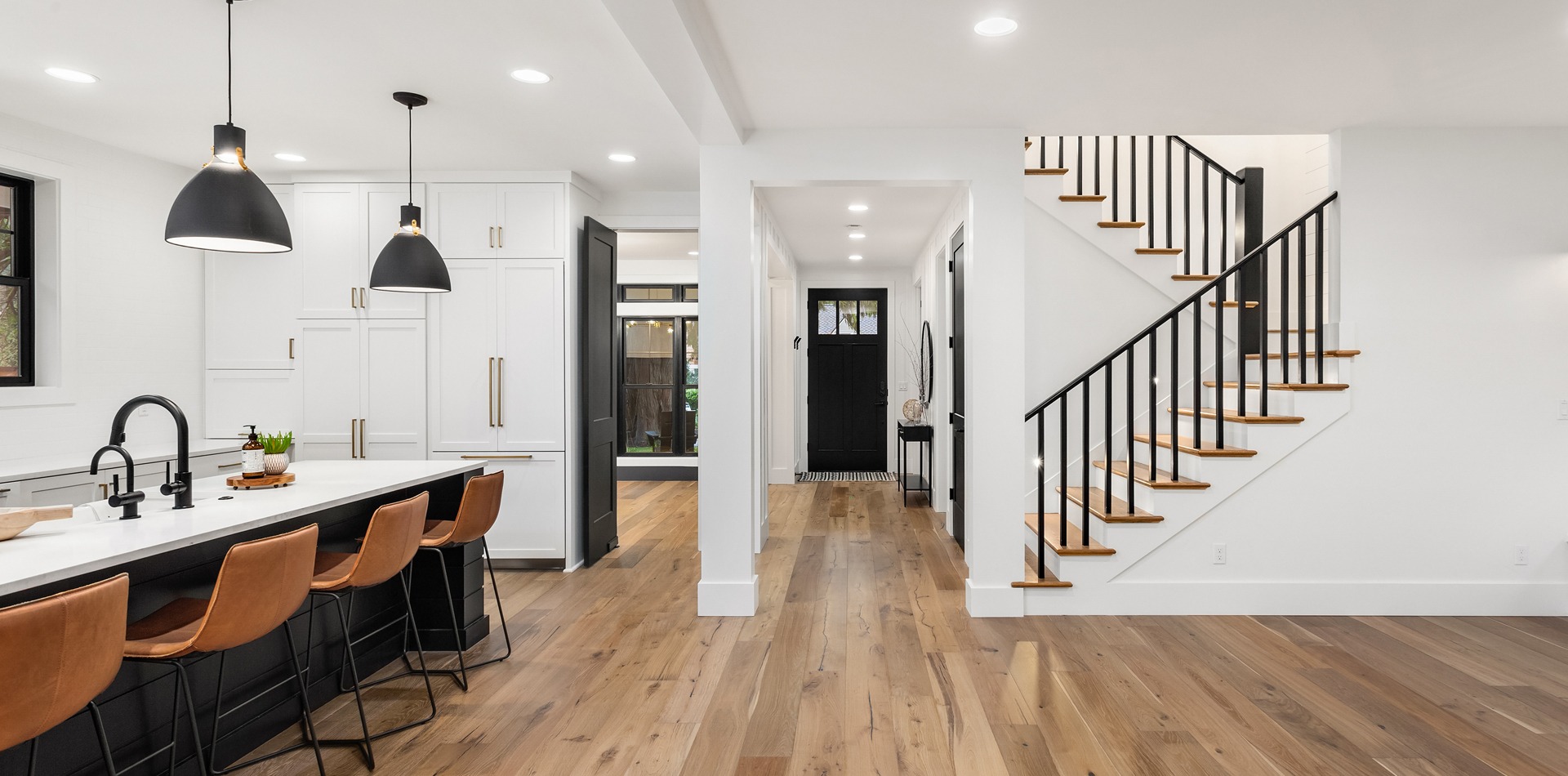
Creating an open space does not end with removing the wall. Visual integration is crucial. Matching flooring, aligning ceiling lines, and blending design elements ensures the new space looks intentional rather than altered. High-quality finishing increases the value of the property but also adds to the cost, especially when materials must be carefully matched or replaced.
Final Cost Perspective
The total budget for wall removal is a combination of demolition, structural adaptation, compliance, and finishing. While the initial quote may focus on removal, the full project cost includes preparation and restoration. Projects become more expensive when structural complexity and finishing standards increase. A clear understanding of all stages helps control costs and ensures the final result meets both safety and design expectations.