
How wall removal changes the way air moves indoors
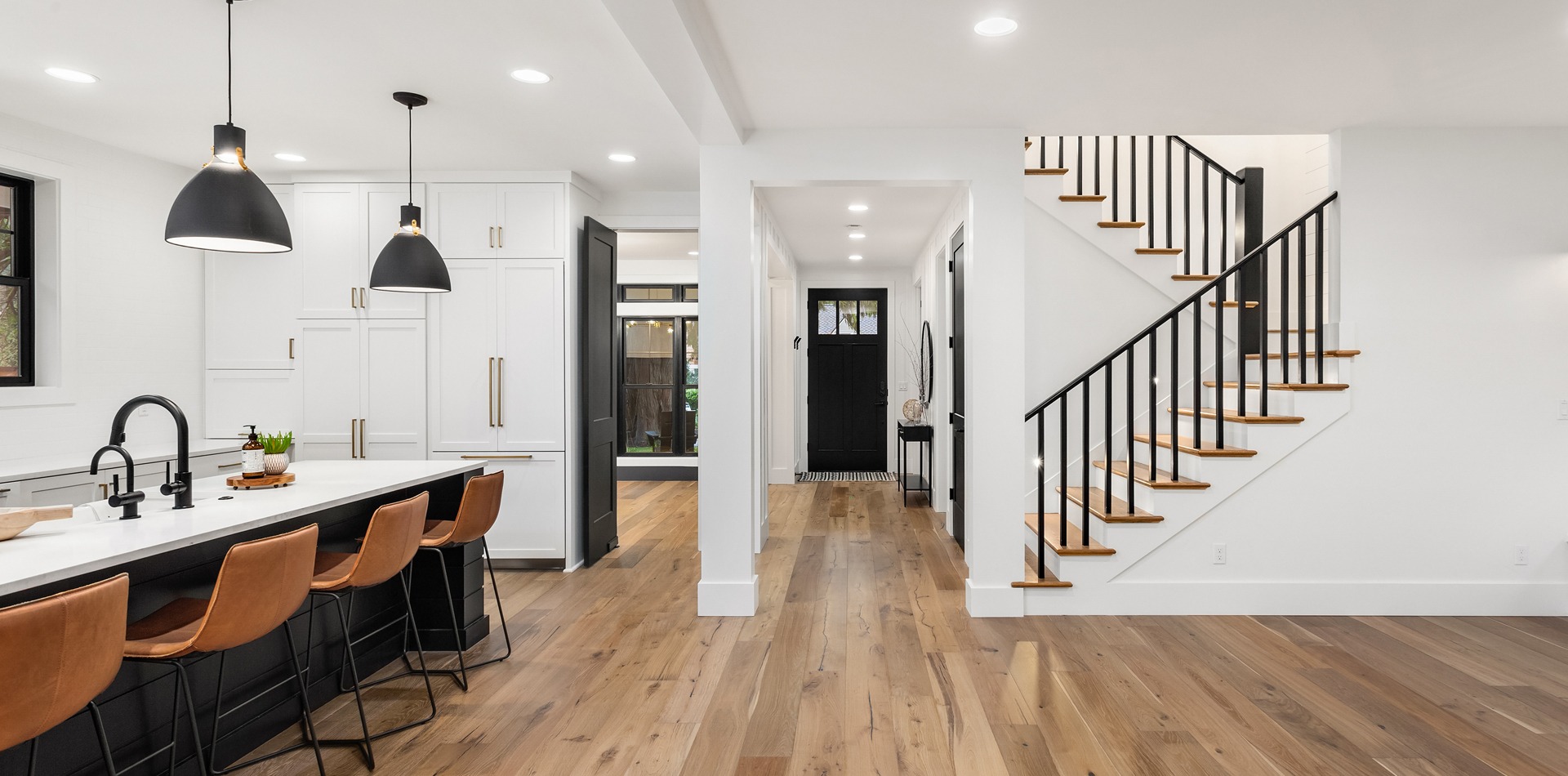
Removing internal walls directly affects how air circulates inside a home. In closed layouts, airflow is often compartmentalized, with each room relying on limited vents, windows, or doors. Once a wall is removed, air can move more freely across larger zones, which may improve overall ventilation. However, this change is not always positive by default. Without proper planning, airflow can become uneven, creating drafts in some areas and stagnant zones in others. Ceiling height, window placement, and HVAC layout all determine whether open space improves or worsens air quality. Wall removal changes the internal pressure balance of a home, making airflow design more important than many homeowners expect.
Digital entertainment as part of modern leisure habits
Online entertainment has become a common way for people to relax during downtime, offering quick access to distraction and light engagement. Many users prefer activities that do not require preparation or long attention spans. In that context, some people turn to an online gaming establishment https://ninewinuk.uk/ as one of several casual options for digital leisure. This type of entertainment is typically used as background activity rather than a main focus. Its popularity comes from convenience, variety, and the ability to step away at any moment without commitment or pressure.
Lighting behavior after internal walls are removed
Wall removal significantly changes how natural and artificial light behaves within a space. This impact is often underestimated until the wall is gone:
-
Expansion of natural light paths
Removing walls allows daylight to travel deeper into the interior.
Rooms that previously relied on artificial lighting during the day may become naturally brighter. -
Shift in shadow patterns
Light spreads more evenly, but some areas may lose contrast or depth.
This can change how textures, furniture, and finishes appear throughout the day. -
Increased dependence on lighting design
Open spaces often require rethinking fixture placement.
Without walls to define zones, poor lighting plans can leave areas feeling flat or overexposed.
Proper lighting adjustments are essential to maintain visual comfort.
Everyday comfort in open-plan living spaces
Comfort in daily life is shaped by how temperature, sound, and movement interact within a space. When walls are removed, these elements blend across larger areas, changing how a home feels during normal use. Heat can spread more evenly, but it may also become harder to control, especially in homes with older HVAC systems. Noise travels further without barriers, affecting privacy and concentration. Furniture placement becomes more critical, as it now helps define zones that walls once separated. Open layouts can feel spacious and pleasant, but only when comfort factors are actively managed rather than assumed.
Common comfort challenges after wall removal
Opening a space can introduce new comfort-related issues if not planned properly:
-
Uneven temperature distribution
Larger open areas may heat or cool inconsistently.
This often requires zoning adjustments or system upgrades. -
Sound travel and echo
Without walls, noise moves freely across the space.
Hard surfaces can amplify sound if not balanced with soft materials. -
Loss of functional separation
Activities overlap visually and acoustically.
This can reduce comfort if zones are not clearly defined through layout.
Addressing these issues early prevents long-term dissatisfaction.
Impact on daily routines and space usage
Wall removal changes not only the physical layout but also how people use their homes day to day. Activities that were once contained now share a common environment, which affects routines. Cooking smells travel further, conversations overlap, and background noise becomes constant. At the same time, visual openness can improve connection between household members and make spaces feel more flexible. The key factor is intentional planning. When airflow, lighting, and furniture placement are aligned with daily habits, open spaces support comfort rather than disrupt it. Without this alignment, convenience can quickly turn into irritation.
Balancing openness with long-term livability
The long-term success of wall removal depends on balancing openness with control. While open layouts offer visual space and flexibility, they also require more deliberate design decisions to maintain comfort over time. Ventilation must be adjusted to support consistent airflow, lighting needs to adapt to changing usage patterns, and acoustic considerations become essential. Homes are lived in daily, not just viewed, and comfort is tested over years, not weeks. When wall removal is approached with attention to airflow, lighting behavior, and everyday routines, the result is a space that feels functional as well as open, supporting livability rather than sacrificing it.