
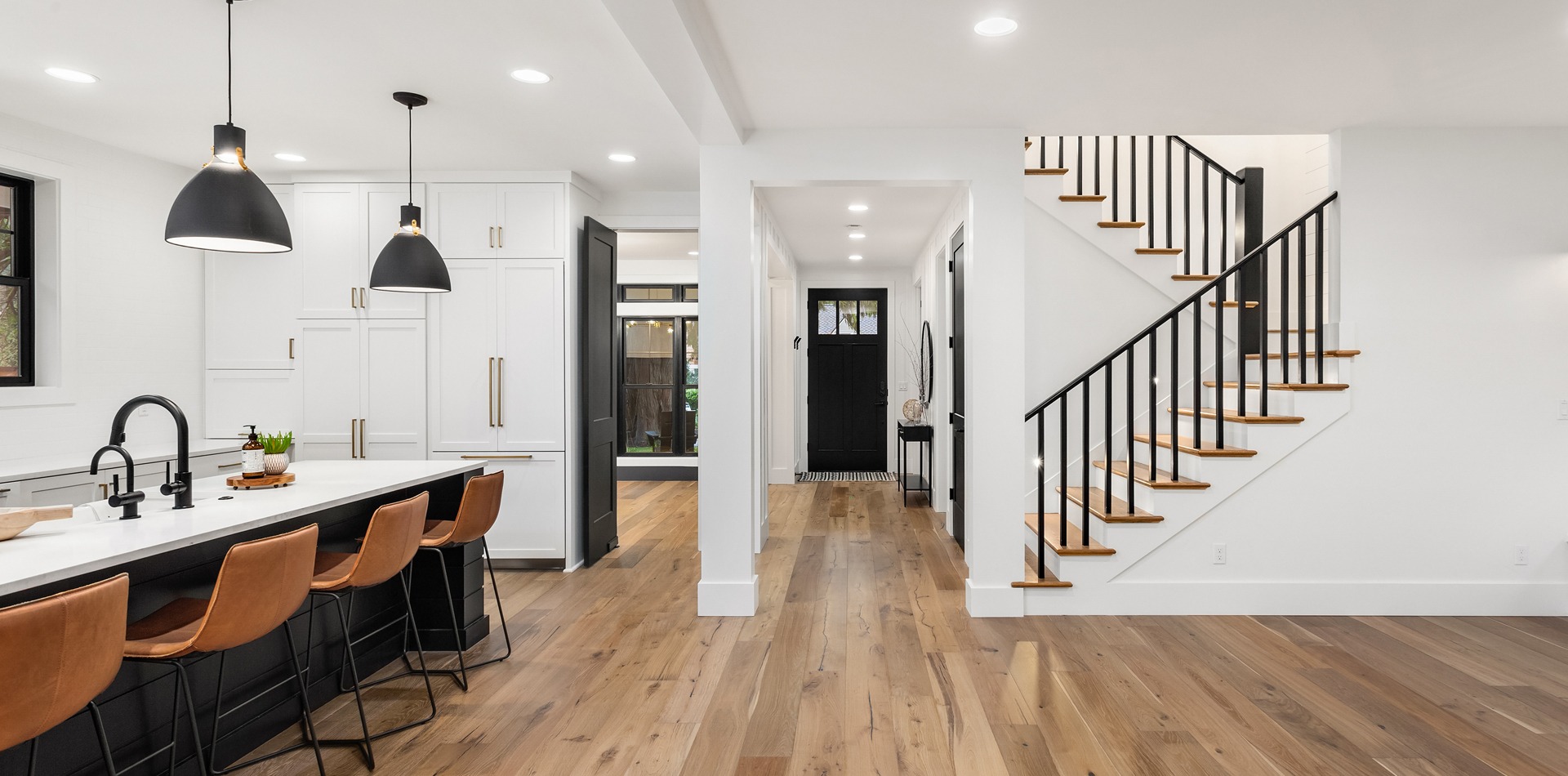
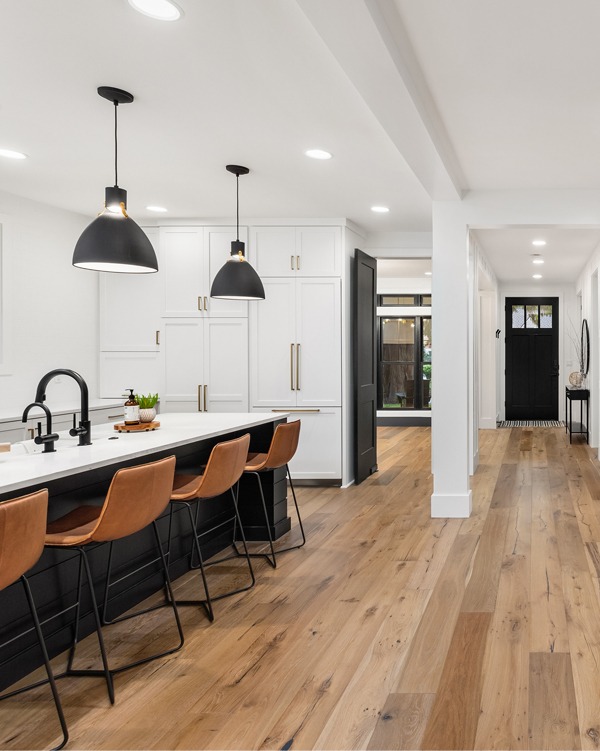
Removing a wall does more than alter the layout—it reshapes how a home is experienced on a daily basis. What was once divided into separate zones becomes a unified environment with a different flow, light distribution, and spatial logic. The change is not only visual but also functional, influencing movement, interaction, and even emotional comfort.
Space Becomes Continuous
After wall removal, the most immediate shift is the disappearance of boundaries. Rooms that once had fixed purposes begin to merge into a flexible space. The kitchen blends into the living area, circulation paths become wider and more intuitive, and previously isolated zones gain relevance. This continuity reduces wasted space and creates a sense of openness that cannot be achieved through decoration alone.
According to Polish spatial design specialist Michał Kowalski: “Po usunięciu ścian dom zaczyna być odbierany jako jeden, spójny organizm — użytkownik porusza się swobodnie, bez zatrzymań, podobnie jak na platformach cyfrowych, takich jak platforma rozrywkowa Slottica, gdzie ciągłość doświadczenia wpływa na komfort i zaangażowanie. W przestrzeni mieszkalnej daje to poczucie większej swobody i lepszego wykorzystania każdego metra.”
Light Reshapes the Interior
Natural light behaves differently when no walls interrupt its path. Instead of being confined to one room, it spreads deeper into the home, revealing textures, colors, and dimensions that were previously hidden. Dark corners disappear, and the entire interior feels more balanced. This change often reduces the need for artificial lighting and makes the space feel more alive throughout the day.
Perception of Size Expands
The physical size of the home remains the same, but perception shifts significantly. Open layouts create longer sightlines, allowing the eye to travel uninterrupted. This visual extension gives even modest homes a larger, more comfortable feel. The effect is particularly noticeable in older houses where compartmentalized layouts once dominated.
What changes in everyday use
The practical impact becomes evident in daily routines:
- movement between zones becomes faster and more natural
- family interactions increase due to shared visibility
- furniture placement gains flexibility
- multi-purpose use of space becomes easier
Functionality Improves
With fewer physical barriers, a home adapts more easily to different needs. Cooking, working, relaxing, and socializing can coexist within a unified layout. This flexibility is especially valuable in modern living, where spaces often serve multiple purposes throughout the day. The absence of walls reduces constraints and allows the layout to evolve over time without major structural work.
Emotional Impact of Openness
Open spaces tend to feel less restrictive. The removal of walls often leads to a sense of relief, as the environment becomes easier to navigate and less visually cluttered. This psychological effect is subtle but consistent—people tend to spend more time in areas that feel spacious and connected. The home starts to feel more inviting, both for residents and guests.
New Design Responsibilities
While wall removal solves spatial limitations, it introduces new design challenges. Without partitions, the interior must rely on furniture, lighting, and materials to define zones. Consistency becomes important, as visual transitions are now fully visible. A well-planned open space maintains balance without becoming monotonous or chaotic.
Conclusion
Life after wall removal is defined by openness, flexibility, and a stronger connection between spaces. The transformation goes beyond aesthetics, influencing how the home functions and how it is perceived. When executed properly, this single structural change can redefine the entire living experience without expanding the building itself.