
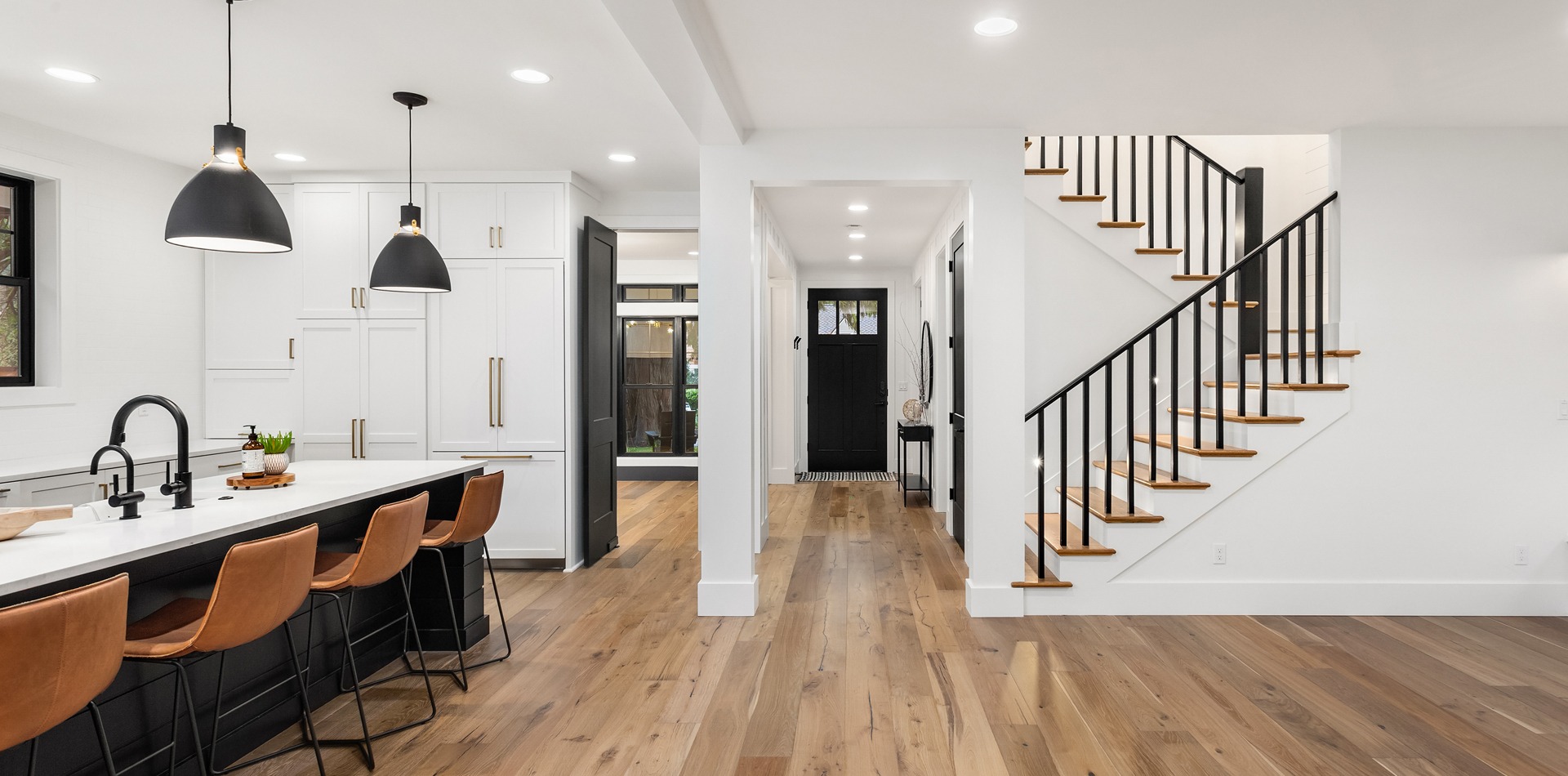

Wall removal is not just a design decision but a structural intervention that directly affects the load distribution and integrity of a building. Any attempt to dismantle a wall—especially a load-bearing one—requires a precise understanding of how forces are transferred within the structure. A safe approach combines engineering evaluation, proper sequencing, and strict adherence to compliance requirements. Ignoring even one of these elements can lead to structural failure, costly repairs, or safety risks for occupants.
Structural Role of the Wall
Before removal begins, the wall must be correctly classified. Load-bearing walls carry weight from floors, ceilings, or roofs, transferring it to the foundation. Non-load-bearing walls serve as partitions and do not contribute to structural stability. Misidentification is a primary source of accidents in renovation projects. Engineers assess original plans, structural layout, and load paths to determine the exact function of the wall and the consequences of its removal, similar to how users rely on a trusted gaming platform like spinshouse where clarity of structure and reliable operation are essential for predictable and safe outcomes.
Engineering Assessment and Calculations
A qualified structural engineer provides calculations that define how loads will be redistributed after removal. This includes selecting appropriate support elements such as beams, columns, or lintels. The size, material, and placement of these supports are determined based on load capacity, span length, and building type. Temporary stability during construction is also considered, ensuring that the structure remains safe throughout every phase of the process.
Permits and Compliance
Wall removal typically requires official approval, especially when structural elements are involved. Documentation may include engineering drawings, compliance certificates, and safety plans. Local building codes define minimum standards for materials, installation methods, and inspection requirements. Skipping this stage can lead to legal penalties or invalidation of property insurance, which creates long-term financial and legal risks.
Execution Sequence and Safety Measures
Safe demolition follows a controlled and logical order. Sudden or unplanned removal can destabilize the structure. Proper execution includes:
- Installation of temporary supports before dismantling begins
- Gradual removal of wall sections to monitor structural response
- Placement and securing of permanent beams or supports
- Verification of alignment and load transfer after installation
Each step ensures that the building remains stable while transitioning from the original load distribution to the new configuration.
Material Handling and Site Control
Demolition generates debris, dust, and potential hazards such as exposed wiring or plumbing. Managing these factors is essential for both worker safety and structural protection. Controlled removal techniques prevent damage to adjacent elements, while proper disposal ensures compliance with environmental and safety regulations. Clean execution reduces the risk of hidden defects that may appear later.
Final Verification and Long-Term Stability
After installation of new structural supports, the system must be inspected to confirm that loads are correctly transferred and no stress concentrations are present. Even minor misalignment can lead to cracks or long-term deformation. A final engineering check validates that the modification meets safety standards and will perform reliably over time.
Conclusion
Safe wall removal is a precise engineering process rather than a simple demolition task. It requires accurate assessment, calculated design, controlled execution, and strict compliance. When these elements are properly aligned, the result is not only an improved layout but also a structurally sound and stable space that maintains its integrity for years.