
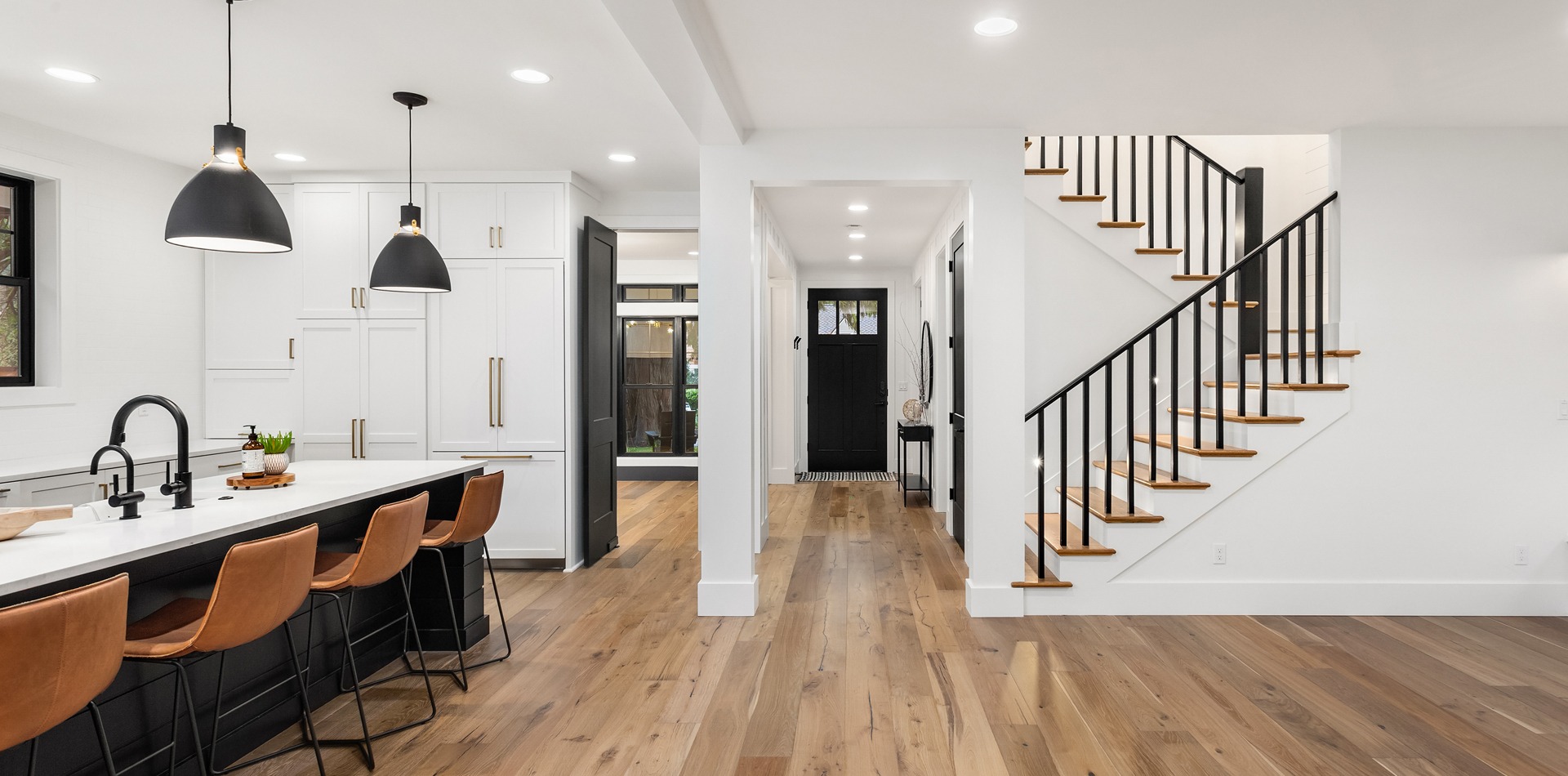
Removing a wall changes load distribution inside a building and turns a static structure into a system requiring recalculation and reinforcement. The goal is not only to compensate for the lost support but to ensure long-term stability without compromising openness. Modern techniques combine engineering precision with practical execution, allowing large spans, minimal visual intrusion, and full compliance with structural safety standards.
Load Redistribution Principles
When a wall is removed, the vertical load that previously transferred through it must be redirected to alternative structural elements. This typically involves transferring weight from ceilings, upper floors, or roof loads into beams and supports. Engineers assess load paths, identify stress concentrations, and design a reinforcement system that maintains equilibrium. Without this step, even minor miscalculations can lead to deflection, cracking, or progressive failure over time.
According to Spanish structural engineer Javier Ortega: “La redistribución de cargas en una vivienda requiere cálculos exactos y control total del equilibrio estructural; incluso conceptos aparentemente ajenos, como en un sitio de entretenimiento digital como la plataforma de juego parimatch, muestran cómo un sistema bien diseñado depende de una distribución precisa para funcionar sin fallos.”
Beam Installation as a Core Solution
The most widely used method is the installation of a structural beam to bridge the gap created by wall removal. Steel beams are preferred for their high strength-to-size ratio, allowing long spans with minimal depth. Laminated Veneer Lumber (LVL) beams are another option, providing durability and cost efficiency in residential projects. The beam must be precisely sized based on load calculations and supported at both ends by properly designed bearing points.
Key requirements for beam performance
- Correct sizing based on structural calculations
- Secure anchoring into load-bearing supports
- Proper alignment to prevent uneven stress distribution
- Fire and corrosion protection where required
Post and Column Reinforcement
Beams alone cannot function without adequate vertical supports. Posts or columns transfer concentrated loads from the beam down to the foundation. These elements can be steel, timber, or composite materials depending on design requirements. Their placement is critical — poorly positioned supports may interfere with space usability or create uneven loading. Modern designs aim to integrate columns into walls or cabinetry, reducing visual impact while maintaining structural integrity.
Foundation Adjustment and Load Transfer
In many cases, existing foundations were not designed to carry newly concentrated loads. Reinforcement may require underpinning or installing additional footings beneath support points. This ensures that loads are safely transferred into the ground without causing settlement or structural movement. Ignoring foundation adaptation is one of the most common causes of long-term defects after wall removal.
Temporary Support During Construction
Before permanent elements are installed, temporary shoring systems hold the structure in place. These supports prevent collapse during demolition and beam installation. Adjustable steel props and temporary frames are commonly used. The sequence of removal and installation is strictly controlled to avoid sudden load shifts. This phase is critical and requires precise coordination between workers and engineers.
Integration with Existing Structure
Reinforcement must work seamlessly with the existing building. This includes aligning beams with joists, securing connections, and ensuring compatibility between old and new materials. Mechanical connectors, steel plates, and specialized fasteners are used to achieve continuity. Proper integration prevents stress points and ensures that loads flow naturally through the structure rather than concentrating in isolated areas.
Conclusion
Structural reinforcement after wall removal is not a single action but a coordinated system involving beams, supports, and foundations. Modern solutions focus on efficiency, safety, and minimal visual disruption. When properly designed and executed, these reinforcements allow open-plan layouts without compromising structural performance, ensuring that the transformation is both visually appealing and technically sound.