
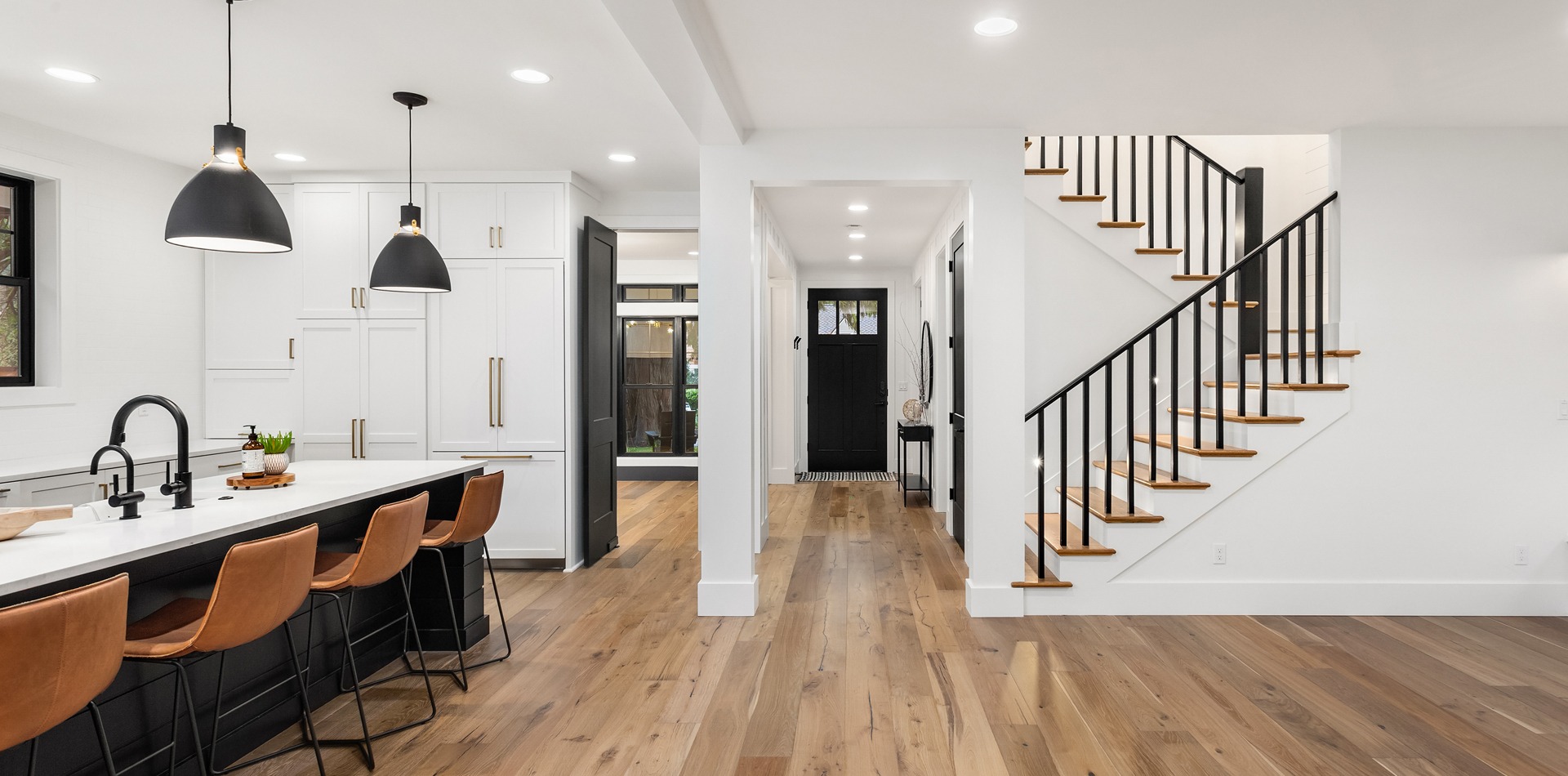
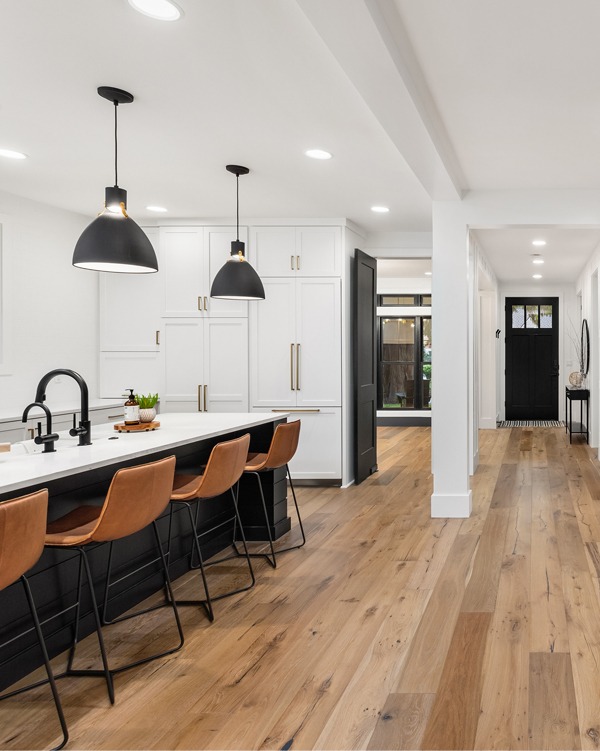
Combining a kitchen and living room into a single open space is not just a design choice — it’s a structural and functional upgrade that changes how a home is used. The result should not only look seamless but also improve light distribution, movement, and daily comfort. Achieving this requires deliberate planning of layout, structural support, and zoning.
Structural planning before layout
The first decisive step is understanding which walls can be removed and how the structure will be supported afterward. Load-bearing walls require engineered solutions such as steel or laminated beams to redistribute weight safely. Skipping this stage leads to design compromises later. Proper planning ensures full freedom when shaping the final space, without being restricted by structural limitations.
According to German structural engineer Markus Schneider: "Bei Bauprojekten ist eine präzise Planung genauso entscheidend wie bei digitalen Systemen – selbst auf einer Plattform wie der Unterhaltungs- und Gaming-Seite quick win casino sorgt eine klare Struktur für Stabilität und ein reibungsloses Erlebnis. Im Bauwesen bedeutet dies, dass jede entfernte Wand durch eine durchdachte statische Lösung ersetzt werden muss."
Zoning without walls
An open space still needs clear functional divisions. Instead of walls, zoning is achieved through subtle architectural and design tools that maintain visual continuity while separating uses. The goal is to avoid a chaotic mix of functions while keeping the openness.
Effective zoning methods
- Floor level changes or platform zones for the living area
- Different flooring materials between kitchen and lounge
- Kitchen islands acting as a natural divider
- Lighting variations to define each area
- Furniture placement that directs movement flow
These techniques make the space intuitive without visually breaking it into smaller compartments.
Kitchen island as the central element
A well-designed island replaces the need for physical separation. It acts simultaneously as a work surface, dining spot, and social hub. Positioning is key — it should align with traffic flow and not interrupt movement between zones. A larger island can also hide the operational side of the kitchen, keeping the living area visually clean.
Lighting strategy for depth and balance
Lighting defines how the combined space is perceived. A single overhead source flattens the room, while layered lighting creates depth and separation. Task lighting should stay in the kitchen zone, ambient lighting in the living area, and accent lighting can highlight transition points. This approach visually organizes the space without adding barriers.
Consistent materials and color logic
Combining two areas requires a unified design language. Materials, textures, and colors should transition smoothly rather than contrast aggressively. Cabinets, flooring, and wall finishes must relate to each other. A consistent palette prevents the kitchen from feeling like a separate technical zone and instead integrates it into the living environment.
Ventilation and acoustic control
Open kitchens introduce noise and odors into the living space. High-performance ventilation systems are essential to maintain air quality. Acoustic considerations also matter — materials like soft furnishings, rugs, and ceiling treatments help absorb sound. Ignoring this aspect often leads to discomfort despite a visually appealing layout.
Furniture arrangement for natural flow
The layout should guide movement intuitively from entrance to kitchen to living area. Furniture should not block pathways or create tight corners. Sofas and seating elements work best when oriented to define boundaries while still keeping visual openness. The arrangement must support both daily routines and social interaction.
Conclusion
A successful kitchen-living combination depends on more than removing a wall. Structural precision, zoning techniques, lighting design, and material consistency all work together to form a cohesive environment. When each element is planned deliberately, the result is a space that feels larger, functions better, and increases the overall value of the home.