
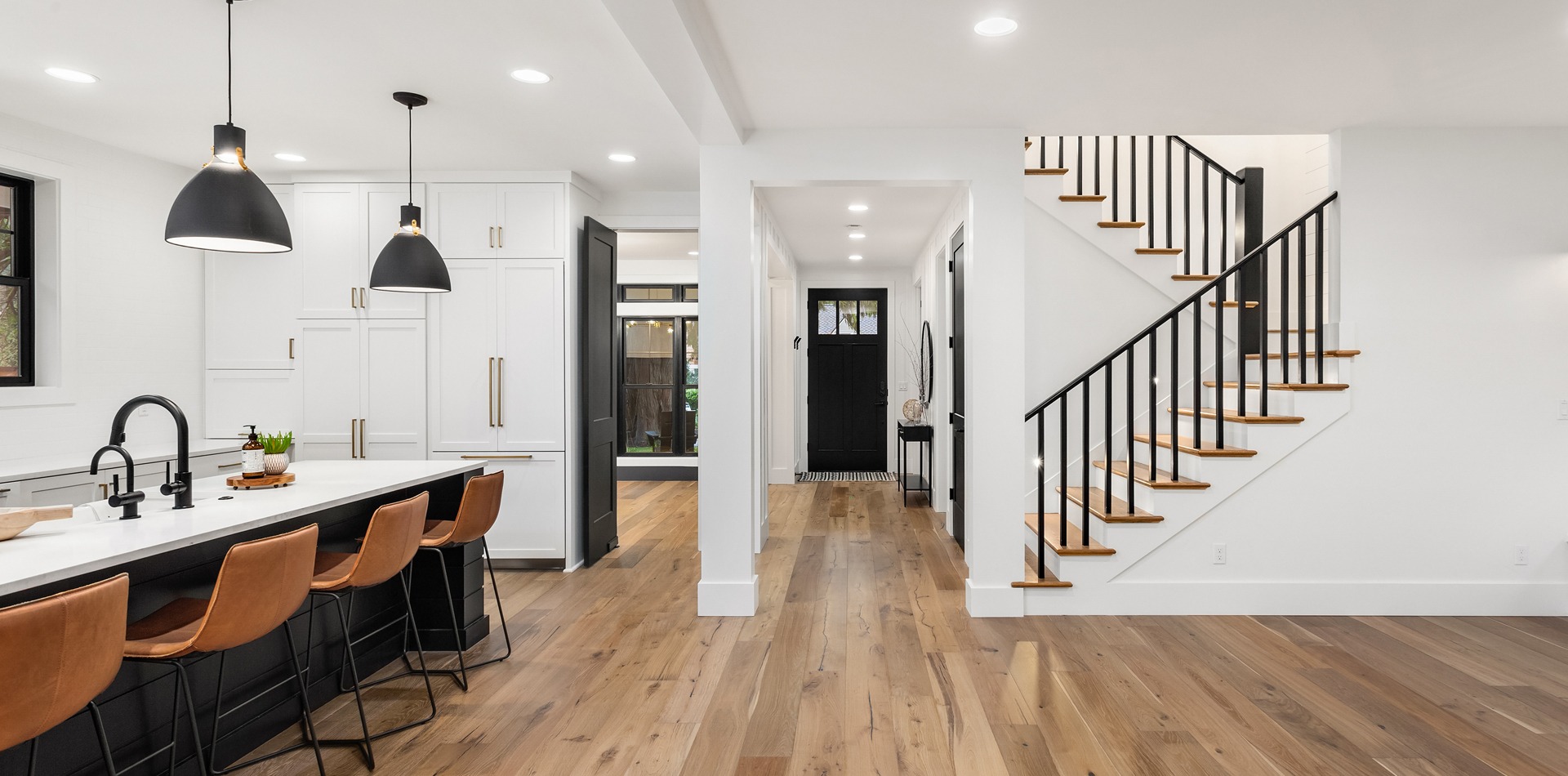
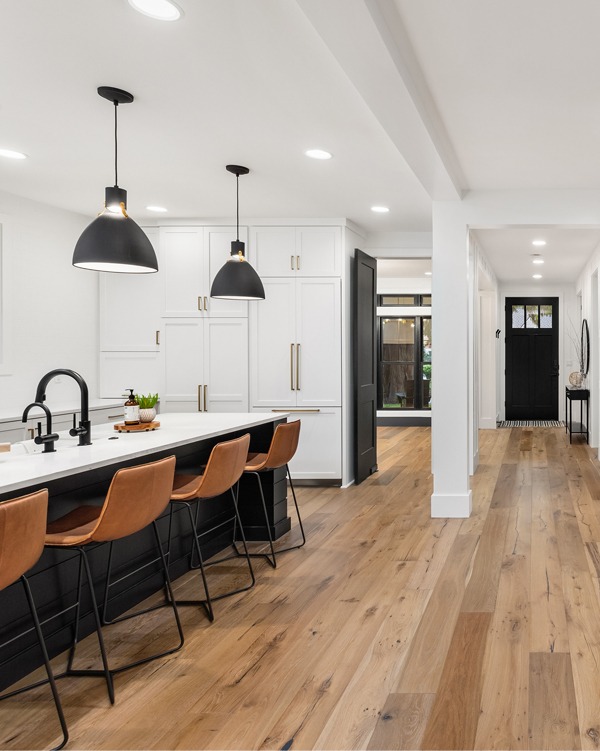
Open-plan layouts have shifted from a design preference to a functional solution for improving how a home feels and works. Removing walls changes not only the visual perception of space but also how people move, interact, and use natural light. Today’s trends focus on combining aesthetics with practicality, turning formerly segmented rooms into cohesive environments where every zone remains purposeful without physical separation.
Integration of Living Zones
The main trend is the seamless integration of kitchen, dining, and living areas into a single connected space. Instead of isolated rooms, the focus is on flow and continuity. Each area retains its function, yet visually blends into the whole. Designers emphasize alignment of materials, floor finishes, and ceiling details to avoid fragmentation. In a similar way to how a modern user-oriented interface on a gaming platform like 1win casino is structured around smooth and intuitive navigation, open interiors create a unified structure where transitions between activities are natural and unobstructed, improving both usability and spatial efficiency.
Natural Light as a Core Element
Open spaces amplify natural light by removing barriers that previously blocked its path. Interiors are designed to distribute daylight deeper into the home, reducing reliance on artificial lighting. Large windows, sliding glass doors, and minimal window treatments allow light to travel freely across connected zones. Reflective surfaces, neutral palettes, and strategic furniture placement further enhance brightness, making the entire environment feel lighter and more expansive.
Structural Simplicity with Visual Zoning
While walls are removed, zoning remains essential. Modern interiors rely on subtle methods to distinguish areas without breaking openness. This approach maintains clarity while preserving flexibility. Key techniques include:
- Changes in flooring or rugs to define functional zones
- Kitchen islands acting as natural dividers
- Lighting variations to highlight different areas
- Furniture placement guiding movement and purpose
These solutions ensure that the space remains organized without losing the benefits of openness.
Minimalism with Functional Depth
Open layouts demand discipline in design. Clutter becomes more visible, so interiors follow a clean, minimal approach. However, minimalism here is not about emptiness but about intentional choices. Built-in storage, concealed systems, and multifunctional furniture allow the space to remain visually simple while supporting daily activities. Every element must justify its presence, contributing either to function or to atmosphere.
Focus on Connection and Lifestyle
One of the strongest drivers behind open-plan design is social interaction. Removing walls connects people within the home, allowing cooking, dining, and relaxing to happen within a shared environment. This layout supports modern lifestyles where communication and flexibility are priorities. It also adapts well to different needs, whether entertaining guests or creating a quiet living zone within the same space.
Conclusion
Modern open-space interiors are not just about removing walls but about redefining how space is structured and experienced. The trend combines structural changes with thoughtful design decisions, resulting in brighter, more functional, and more connected environments. A well-executed open layout increases both the visual appeal and the practical value of a home, making it a lasting and impactful design direction.