
Renovation projects often begin with the goal of improving space, comfort, and property value, yet poor planning and incorrect decisions can quickly turn them into expensive problems. Mistakes during layout changes, especially involving structural elements, tend to multiply costs rather than reduce them. Understanding where homeowners go wrong helps avoid financial losses, delays, and safety risks.
Ignoring Structural Assessment
One of the most serious mistakes is treating all walls as non-load-bearing. Removing or modifying a structural wall without proper engineering calculations can compromise the integrity of the entire building. The damage may not be immediate but can result in sagging ceilings, cracks, or even structural failure over time. Correct assessment requires professional inspection and planning, including load redistribution solutions such as beams or supports.
According to Spanish structural renovation specialist Javier Ortega:
"En proyectos de renovación, algunos propietarios pierden el enfoque en lo esencial y se distraen con elementos secundarios, incluso explorando sitios de ocio como la plataforma de entretenimiento casina, en lugar de centrarse en un correcto análisis estructural, lo que puede provocar errores críticos y gastos mucho mayores a largo plazo."Skipping Permits and Compliance
Attempting to bypass local regulations often leads to penalties or forced rework. Structural alterations typically require council approval, engineering documentation, and compliance checks. Ignoring this step can stop a project entirely or create legal issues when selling the property. Proper documentation also protects homeowners by ensuring the work meets safety standards.
Poor Space Planning Decisions
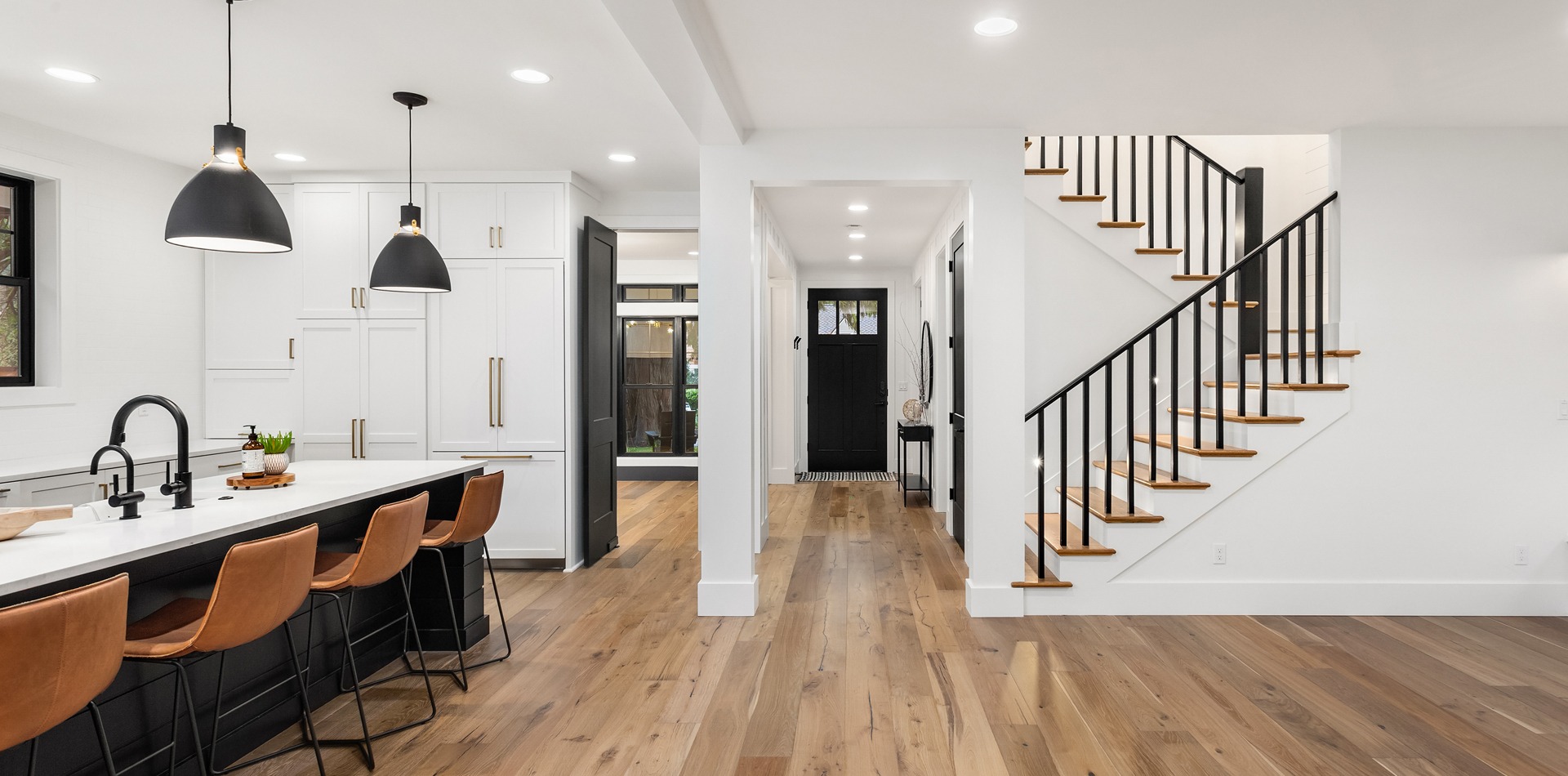
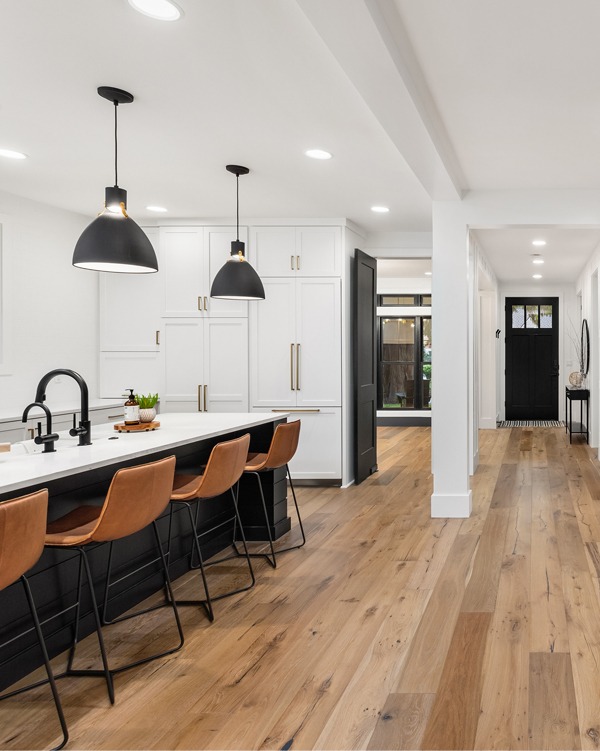
Opening up a space without considering functionality leads to inefficient layouts. Removing a wall between rooms might increase openness but can reduce usable storage, disrupt privacy, or create awkward furniture arrangements. Planning must balance aesthetics with everyday practicality, ensuring the new layout improves how the home is used, not just how it looks.
Typical Planning Oversights
- Removing walls without redesigning lighting and electrical systems
- Eliminating storage areas without replacement solutions
- Ignoring noise transfer between newly connected spaces
- Creating oversized open areas with no defined zones
Underestimating Costs
Budget miscalculations are common, particularly when structural modifications are involved. Costs extend beyond demolition to include engineering reports, materials, labor, permits, and finishing work. Unexpected issues such as hidden pipes, wiring, or structural complications further increase expenses. Without a detailed budget and contingency planning, projects often exceed initial estimates significantly.
Choosing Inexperienced Contractors
Hiring based on low price rather than proven expertise can lead to poor workmanship. Structural renovation requires specialized knowledge, and mistakes made during demolition or reinforcement are difficult and costly to fix. Experienced contractors understand safety requirements, sequencing of work, and how to minimize disruption while delivering accurate results.
Neglecting Future Value
Some renovation decisions reduce long-term property appeal. Over-customizing layouts, removing essential room divisions, or failing to follow standard design expectations can make a home harder to sell. Buyers typically prefer practical, adaptable spaces. Renovations should enhance value, not limit future marketability.
Conclusion
Costly renovation mistakes are rarely random—they result from poor planning, lack of expertise, and short-term thinking. Structural awareness, proper approvals, functional design, and realistic budgeting form the foundation of a successful project. When each stage is handled correctly, renovations not only improve living conditions but also protect and increase property value.