
Removing a wall is not just demolition—it is a structured transformation that changes how a space functions, feels, and is valued. The process requires technical evaluation, planning, and precise execution. Each stage has a direct impact on safety, cost, and the quality of the final outcome. Understanding the full workflow helps avoid mistakes and ensures the result meets both functional and design expectations.
Initial Idea and Feasibility
The process starts with a clear objective: increasing space, improving light flow, or connecting rooms. At this stage, the wall is assessed to determine whether it is load-bearing or purely decorative. This distinction defines complexity. Load-bearing walls require structural support replacement, while non-structural walls allow faster and simpler removal. Much like evaluating options on a gaming platform such as nine win, where outcomes depend on understanding mechanics and limitations, a proper feasibility check at this stage helps avoid unrealistic expectations and reveals technical constraints early.
Planning and Structural Design
Once feasibility is confirmed, technical planning begins. Structural engineers analyze load distribution and calculate the type of support required after removal. This usually involves steel or engineered timber beams. Detailed drawings define dimensions, load points, and installation methods. Without precise planning, the project risks structural instability or costly redesign during construction.
Key planning tasks
- Structural assessment and calculations
- Beam selection and load transfer design
- Preparation of engineering documentation
- Alignment with existing building structure
Approvals and Compliance
Wall removal often requires official approval, especially when structural elements are involved. Building regulations ensure that the modification meets safety standards. Documentation from engineers is submitted to local authorities or certifiers. Skipping this step can result in penalties or the need to reverse completed work. Proper compliance also protects property value and simplifies future inspections or resale.
Preparation of the Site
Before any physical work begins, the area is prepared to minimize disruption and risk. Utilities such as electrical wiring, plumbing, or gas lines within the wall are identified and safely disconnected or rerouted. Protective barriers and supports are installed, especially when dealing with load-bearing structures. Temporary supports (props) may be used to hold the structure while the wall is removed.
Wall Removal and Structural Installation
The actual removal stage is controlled and methodical, not destructive. The wall is dismantled section by section to maintain stability. If structural support is required, the beam is installed during or immediately after removal. Precision is critical here—incorrect beam placement can lead to long-term structural issues. Professional execution ensures that the load is transferred correctly to new support points.
Finishing and Integration
After the structural work is completed, the space is refined to create a seamless finish. This includes patching walls, restoring ceilings, matching flooring, and integrating new surfaces with existing materials. The goal is to eliminate visual signs of modification and deliver a unified space. High-quality finishing directly affects the perceived value of the renovation.
Final Result and Impact
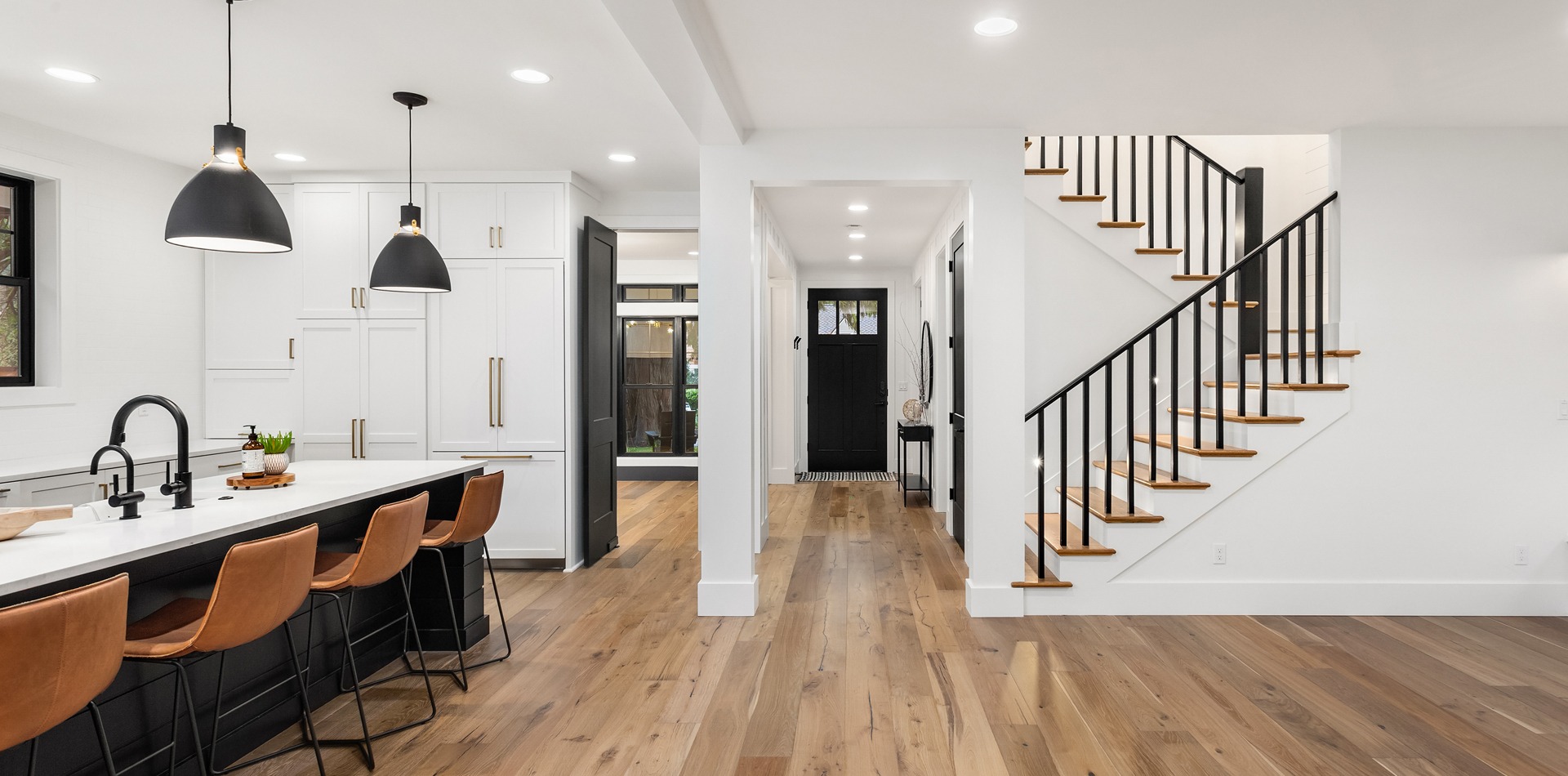
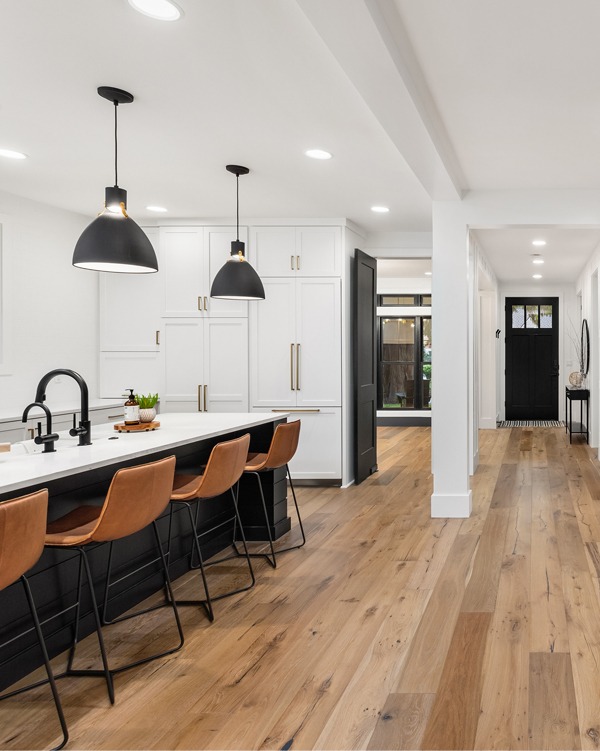
The completed wall removal transforms both the functionality and perception of the home. Open layouts improve movement, allow more natural light, and create a stronger visual connection between areas. Beyond aesthetics, the change can significantly increase property value and usability. A properly executed process ensures that the transformation is not only visually effective but also structurally sound and compliant.