
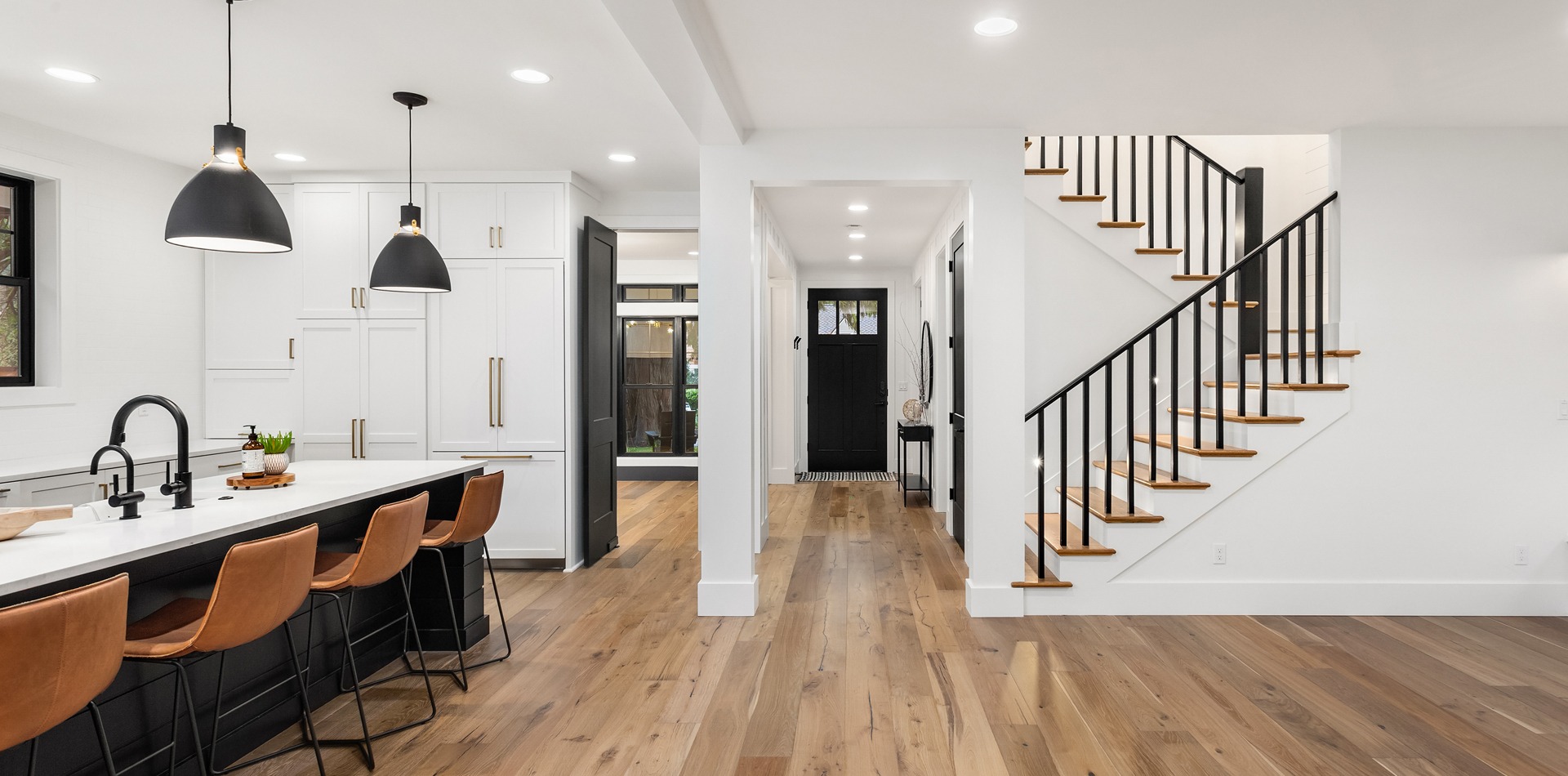
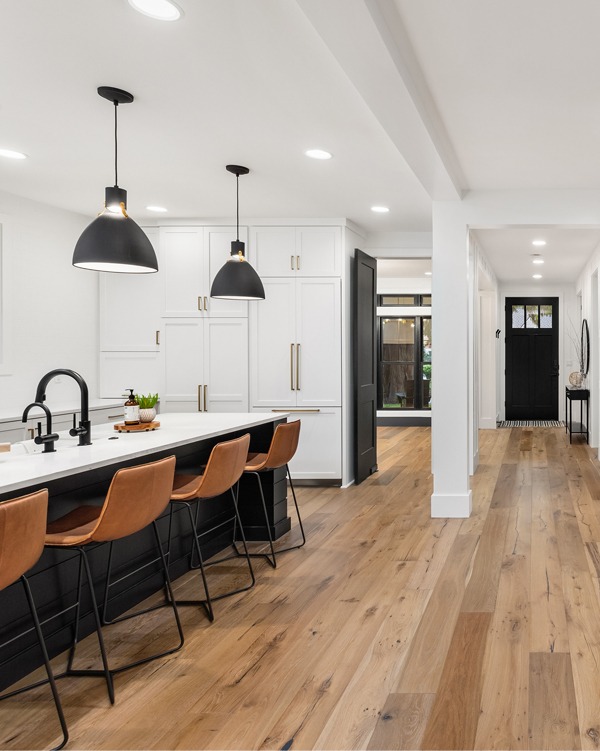
Combining rooms changes not only the layout but the way a family interacts with the space. Open areas remove physical barriers, but without structure they can quickly become chaotic or inefficient. The goal is not just more space, but a better system where movement, comfort, and daily routines align naturally.
Defining Clear Functional Zones
After removing walls, one large space must be divided logically without rebuilding barriers. Each area should have a clear purpose: cooking, dining, relaxing, or working. The separation is achieved through layout, not construction, similar to how a modern gaming platform like bubblesbet structures its interface into clear, intuitive sections for different activities. Furniture placement, rugs, and lighting define zones and guide behavior. For example, a sofa facing inward can outline a living area, while a dining table anchors a shared eating zone. Without these visual cues, the space loses structure and becomes less practical.
Maintaining Flow and Movement
Family spaces must support constant movement between activities. Pathways should remain open and intuitive, especially between kitchen, dining, and living areas. Avoid placing furniture in natural walking lines. Circulation paths should feel effortless, allowing multiple people to move simultaneously without disruption. A well-organized layout reduces friction in everyday routines such as serving meals, supervising children, or hosting guests.
Balancing Openness and Privacy
Open layouts can create noise and distraction if not balanced properly. Even in a shared space, families need moments of separation. This can be achieved through partial dividers, shelving units, or strategic furniture orientation. Soft boundaries allow visual openness while reducing noise spread and creating psychological comfort. A reading corner or workspace benefits from subtle separation without disconnecting from the rest of the room.
Smart Storage Integration
Clutter becomes more visible in open spaces, making storage critical. Instead of spreading items across the room, integrate storage into each functional zone. Built-in cabinets, hidden compartments, and multifunctional furniture keep the area clean and organized. Storage should be placed near where items are used, reducing unnecessary movement and maintaining order throughout the day.
Key elements of efficient storage:
- Closed cabinets to minimize visual clutter
- Multi-purpose furniture with hidden storage
- Zoned storage aligned with daily activities
- Vertical solutions to free floor space
Lighting as a Planning Tool
Lighting defines atmosphere and reinforces zoning. Instead of relying on a single central light source, each area should have its own lighting logic. Pendant lights over the dining table, task lighting in the kitchen, and softer ambient light in the living area create depth and clarity. This approach not only improves functionality but also strengthens the visual separation of zones without physical barriers.
Designing for Family Interaction
The main advantage of merging rooms is improved connection between family members. The design should encourage shared activities while supporting individual needs. Position seating to promote conversation, keep sightlines open for supervision, and ensure key areas like the kitchen remain visually connected to the rest of the space. When the layout supports interaction naturally, the space becomes more comfortable and efficient for daily life.
Conclusion
Transforming multiple rooms into one open space requires deliberate organization. Clear zones, efficient movement, controlled openness, and integrated storage define how well the space works. When each element is planned with purpose, the result is not just a larger room, but a cohesive environment that supports family life without compromise.