
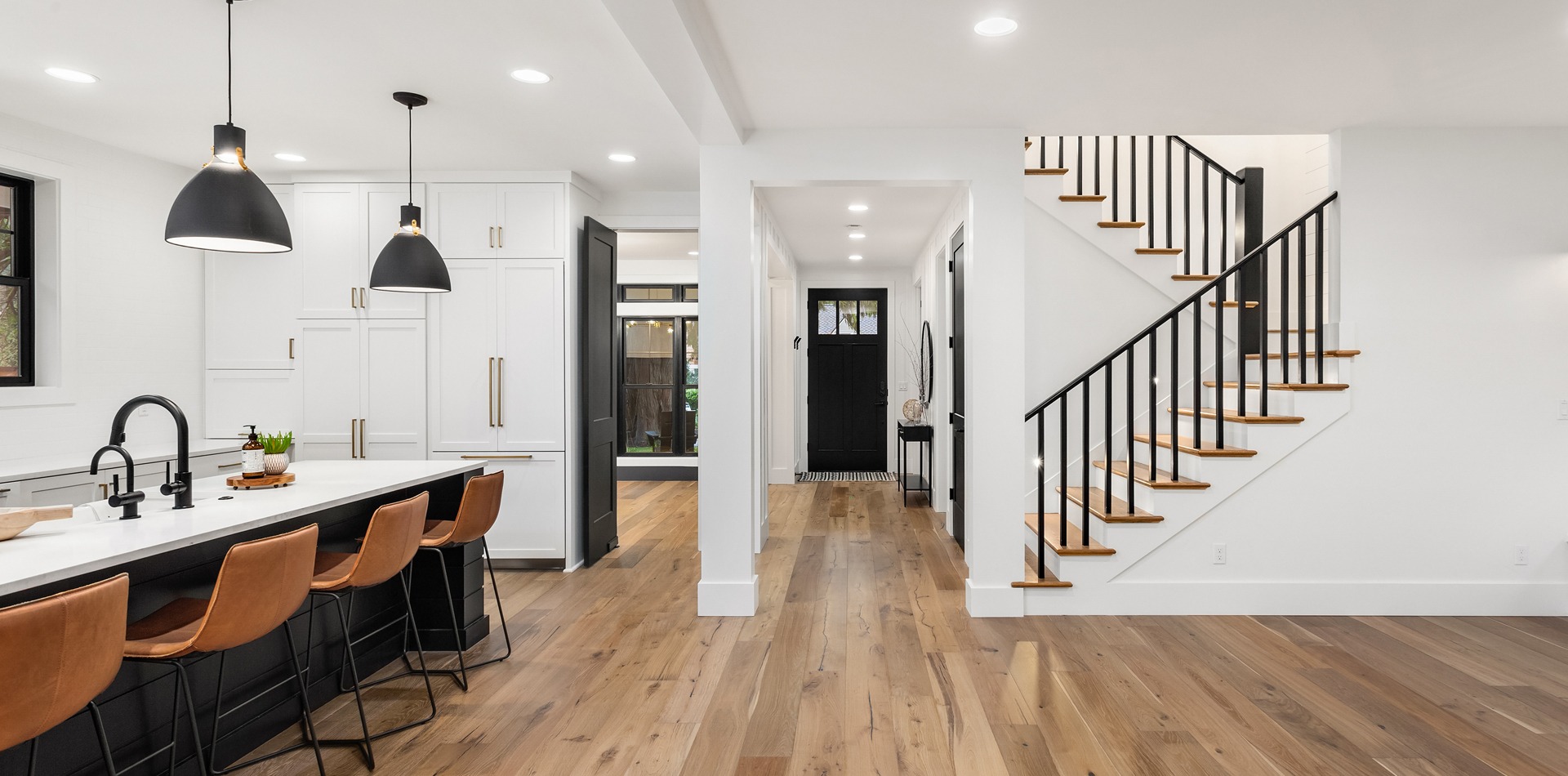
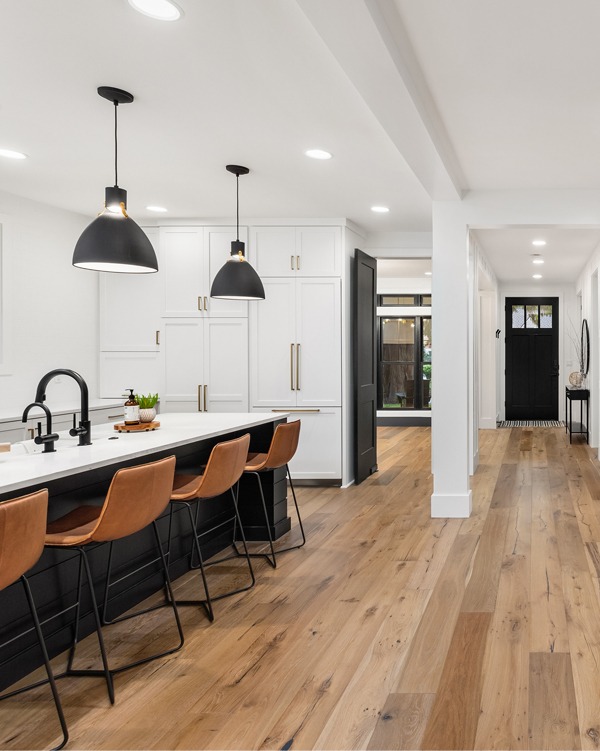
Open floor plans shift the focus from isolated rooms to interconnected living zones. This approach changes how space is perceived, experienced, and used on a daily basis. Instead of walls defining function, designers rely on visual structure, light, and material contrast. The result is not just more space, but a more flexible environment where different activities coexist without compromising comfort or style.
Zoning Without Walls
The most important trend is the move toward subtle zoning. Rather than physically separating rooms, designers use elements that guide movement and define purpose. Flooring changes, ceiling variations, and furniture placement create invisible boundaries. For example, a kitchen island often doubles as both a cooking station and a visual divider, while rugs anchor living areas without interrupting flow. This method preserves openness while maintaining structure, much like a well-designed digital environment where different zones coexist seamlessly, similar to how a modern gaming platform such as bubbles bet organizes user activity within a single cohesive space.
Natural Light as a Core Element
Light is treated as a primary design tool rather than an addition. Large windows, glass doors, and minimal window treatments maximize daylight penetration across the entire space. Open layouts allow light to travel freely, increasing brightness even in deeper zones of the home. Reflective surfaces, such as polished finishes or light-toned walls, amplify this effect. The goal is to eliminate dark pockets and create a visually continuous environment.
Integrated Kitchen Design
Kitchens are no longer isolated workspaces. They are designed to blend seamlessly with living and dining areas, both visually and functionally. Cabinetry often features clean lines, hidden storage, and materials that match the adjacent space. Appliances are integrated to reduce visual clutter. The kitchen becomes a central hub, supporting social interaction rather than separating it.
Key integration techniques:
- Flush cabinetry aligned with wall planes
- Consistent color palettes across zones
- Concealed appliances and storage solutions
- Minimalist hardware and handles
Material Consistency and Contrast
Open spaces require a careful balance between unity and variation. Designers use consistent materials to maintain cohesion, while introducing contrast to avoid monotony. Wood, stone, and metal are often repeated across different zones, but applied in varying proportions. This creates continuity without making the interior feel repetitive. Transitions between areas remain smooth, yet visually engaging.
Flexible and Multi-Functional Furniture
Furniture is selected not only for aesthetics but for adaptability. Modular sofas, extendable tables, and movable partitions allow the space to change depending on the situation. This flexibility is essential in open layouts, where one area may serve multiple purposes throughout the day. Furniture placement also plays a structural role, defining zones and directing movement.
Minimalism with Purpose
Clutter disrupts open layouts more than traditional ones. Modern design trends emphasize purposeful minimalism—every element must justify its presence. Storage is often hidden, and decorative elements are carefully curated. This approach maintains visual clarity and reinforces the sense of space, ensuring that openness feels intentional rather than empty.
Conclusion
Open floor plan design is no longer just about removing walls. It is a strategic approach focused on flow, light, and adaptability. The most successful interiors use zoning, material discipline, and functional furniture to create spaces that feel both open and organized. The trend continues to evolve toward smarter, more intentional environments where design serves both aesthetics and everyday living.